
Year-Round Flea Prevention in California: Why It Matters
It’s easy to think flea season ends when the weather cools, but in California, that’s…

You’ve debated whether your cat should live strictly indoors, roam freely outside, or have supervised outdoor access. At Calistoga Pet Clinic, your Napa County pet clinic, this is one of the most common questions we hear from cat owners. Here’s what you need to know: indoor cats usually live longer, healthier lives than outdoor cats, facing far fewer health and safety risks. However, indoor cats require committed enrichment to stay mentally and physically healthy. Knowing the real risks and benefits of each lifestyle helps you decide what’s best for your cat.
This topic sparks debate among cat lovers, with strong opinions on both sides. Some believe cats need outdoor freedom for happiness, while others think the dangers make outdoor access unacceptable. The truth is nuanced; it depends on your cat, your location, and your ability to provide a safe outdoor environment or an enriched indoor environment. Let’s examine the facts so you can choose wisely for Fluffy.
Letting your cat roam outside might sound fun, but it comes with quite a few risks that indoor kitties don’t have to worry about. Knowing what’s out there can help you make the best decision for your furry friend.
Outdoor cats are much more likely to catch infectious diseases. Feline leukemia virus (FeLV) and feline immunodeficiency virus (FIV) are spread through cat fights, which happen a lot when kitties cross paths outside. Sadly, both of these viruses are incurable and can really shorten Fluffy’s life.
Upper respiratory infections spread easily among outdoor cats through direct contact or shared spaces. While less serious than FeLV or FIV, these infections cause significant discomfort and can become chronic. Rabies, though rare in domestic cats due to vaccination programs, remains a risk for outdoor cats that may encounter infected wildlife such as bats, raccoons, or skunks.
Parasites, including fleas, ticks, ear mites, intestinal worms, and heartworms, are far more common in outdoor cats. While preventable with proper medications, outdoor cats are constantly exposed, making prevention challenging. These parasites cause health problems ranging from minor irritation to serious disease.
Car accidents are a leading cause of death and injury in outdoor cats. Even cats who seem street-smart can be hit by vehicles, resulting in injuries ranging from minor scrapes to severe trauma or death. Nighttime and dusk/dawn hours, when cats are naturally most active, are also times of reduced visibility for drivers.
Fights with other cats result in bite wounds and abscesses, which often become infected and require veterinary treatment. Cat bite wounds are particularly prone to serious infections because bacteria are injected deep into the tissue. Some bite wounds damage eyes, leading to vision loss.
Dogs and wildlife, such as coyotes or birds of prey, can cause severe injury or death to outdoor cats. Even large cats are vulnerable. In Sonoma County, coyotes are now common in suburban areas and pose real risks to cats.
Falls from trees, roofs, or high places can injure cats. Despite landing on their feet, big falls may cause fractures, internal injuries, or head trauma. Cats also get stuck in trees, sheds, or tight spaces and need rescue.
Outdoor cats encounter many toxins. Antifreeze tastes sweet to cats but is highly toxic, causing kidney failure and death. Rodent poisons, from eating poisoned rodents or bait, cause severe bleeding or other toxic effects. Pesticides, herbicides, and fertilizers used on lawns and gardens can be toxic when cats walk through treated areas and later groom their paws. Toxic plants, including lilies, which are extremely dangerous to cats, grow in many yards and gardens. Outdoor cats may chew on these plants out of boredom or curiosity.
Motor oil, gasoline, and other automotive fluids are dangerous if cats walk through puddles or enter garages. When cats groom after contact, they can get very sick. Industrial chemicals or illegally dumped cleaners also pose similar risks.
Indoor cats avoid the numerous dangers their outdoor counterparts face, leading to, on average, longer, healthier lives. The benefits of indoor living are substantial and well-documented.
Indoor cats usually live much longer than outdoor cats. While outdoor cats may live only a few years, indoor cats often reach their teens or twenties. This dramatic lifespan difference reflects the value of avoiding accidents, disease, parasites, predators, and toxins. Keeping your cat indoors dramatically increases their chances of living a long, healthy life with you. For many cat owners, this alone makes the indoor lifestyle worthwhile, regardless of other considerations.
Indoor cats have minimal exposure to infectious diseases. Without contact with other cats or wildlife, they avoid FeLV, FIV, and most other contagious feline illnesses. While they should still receive core vaccinations, their actual risk of disease is very low.
Parasite exposure is also minimal for indoor cats. While they should still receive monthly preventive medications for fleas, ticks, and heartworms, their risk is substantially lower than that of outdoor cats. Many indoor cats go years without ever encountering these parasites.
Indoor cats never face risks from cars, predators, or other outdoor dangers. They won’t be hit by vehicles, attacked by coyotes, or injured in catfights. This protection from trauma is one of the most significant benefits of indoor living.
Your indoor cat is safe from getting lost, stolen, or trapped. Outdoor cats sometimes wander far from home and get lost. Some are picked up by well-meaning people who assume they’re strays. Others get stuck in sheds, garages, or other spaces when curious exploration goes wrong.
Indoor cats’ health is easier to track. You’ll spot changes in eating, drinking, litter box habits, and behavior more quickly when your cat stays indoors. Early detection allows quick vet care for problems. Our indoor cat’s medical history will be simpler without unknown exposures or injuries acquired outdoors. Your Napa County vet can more easily diagnose and treat conditions without wondering about possible toxic ingestions, fights, or other outdoor incidents.
While indoor cats enjoy many benefits, keeping them mentally and physically stimulated requires effort. Indoor life can cause problems if enrichment needs aren’t met.
Indoor cats without adequate stimulation become bored, which can lead to behavioral problems. Destructive furniture scratching often stems from boredom and a lack of appropriate outlets. Excessive meowing or attention-seeking behavior may indicate an under-stimulated cat.
Some indoor cats become overweight or obese due to a lack of activity. Bored cats may overeat simply because eating provides something to do. Lack of exercise compounds the problem, as indoor cats naturally move less than outdoor cats.
Bored, frustrated indoor cats may become aggressive with people or other pets. Aggression or territorial problems can happen when cats can’t hunt or claim territory.
Owners must provide indoor cats with intentional environmental enrichment for their well-being. Activities like scratching posts, cat trees, toys, puzzle feeders, window perches, and interactive play sessions are necessary—not optional—to support both their mental and physical health.
Spend time daily engaging your indoor cat in play. Two to three 10-15-minute sessions with wand toys help satisfy hunting instincts and provide the needed exercise. Rotate toys to prevent boredom. Vertical space is crucial for indoor cats. Cat trees, wall-mounted shelves, or cleared shelving allow cats to climb and observe from high vantage points. Cats naturally feel more secure when they can survey their territory from elevated positions.
Provide your cat with window access for entertainment. Perches let cats watch birds, squirrels, and outside activity. Bird feeders make great ‘cat TV’ that many indoor cats love.
Indoor cats who accidentally escape outside face serious dangers. They often lack the street smarts that outdoor cats develop over time. They may panic, run into traffic, hide in dangerous locations, or become completely lost. Some indoor cats become so frightened that they won’t respond even to their owner’s calls.
Be vigilant to keep doors and windows secured. Tell visitors and service people that your cat must not go outside. Make sure screen doors are sturdy and locked. Fix any damaged window screens right away.
For cat owners who want to provide outdoor experiences without the full risks of free roaming, several compromise options exist.
Catios (cat patios) are enclosed outdoor spaces that give cats access to fresh air, sunshine, and outdoor sights and sounds while keeping them safe. These can range from simple window boxes to elaborate outdoor rooms with climbing structures, plants, and perches.
Catios protect your cat from vehicles, predators, and other outdoor dangers while still allowing them to experience the outdoors. They also protect wildlife by preventing your cat from hunting birds and small mammals. Many designs allow cats to access the catio through a cat door from a window or wall.
Building or purchasing a catio requires investment in materials and possibly professional construction, but many cat owners find it worthwhile. Numerous online resources provide catio plans for various budgets and skill levels. Some companies specialize in custom catio construction.
Some cats can be trained to walk on a leash and harness, allowing supervised outdoor exploration. This works better when started with young cats, though some adults adapt well. Leash walking provides outdoor stimulation while keeping your cat under direct control and safe.
Harnesses designed specifically for cats fit properly without allowing escape. Never attach a leash to a collar, as cats can slip out or be injured. Practice harness wearing indoors extensively before venturing outside. Start in quiet, calm outdoor spaces and build up to more stimulating environments.
Not all cats tolerate leashes. Some become stressed or frightened by outdoor sights and sounds, even with their owner present. Respect your cat’s personality; if they seem genuinely distressed rather than just cautious during initial training, leash walking may not be appropriate for them.
Supervised time in securely fenced yards is another option if your yard is truly escape-proof and you can watch your cat constantly. However, most fences aren’t adequate barriers for determined cats, and supervision must be uninterrupted. Any lapse could lead to escape or encounter dangers.
Choosing between indoor, outdoor, or supervised access depends on multiple factors specific to your situation.
Urban and suburban areas pose greater dangers for outdoor cats, including heavy traffic, higher dog and cat densities, and potential conflicts with neighbors over roaming pets. Rural areas may have fewer vehicles but often have more predators, including coyotes, owls, and foxes.
Sonoma County presents specific considerations. Coyotes are common even in suburban areas, posing serious risks. Traffic varies widely from rural roads to busy city streets. The mild climate means outdoor hazards are present year-round rather than limited to certain seasons.
Some cats have strong desires to go outside and may become frustrated or depressed if confined indoors without adequate enrichment. Other cats are naturally timid and prefer the safety and predictability of indoor life. Consider your individual cat’s temperament.
Cats raised indoors from kittenhood typically adjust well to indoor life if properly enriched. Cats who’ve experienced outdoor freedom often struggle more with transition to indoor-only living, though it’s absolutely possible with patience and commitment to providing stimulation.
Indoor cats require active engagement from owners. If you’re willing and able to provide daily play sessions, environmental enrichment, and mental stimulation, indoor life works wonderfully. If you cannot commit to this enrichment, your indoor cat may develop behavioral or health problems.
Outdoor or supervised access requires different commitments: monitoring for injuries or illness, ensuring escape-proof enclosures, or dedicating time to leash walks. Consider honestly which approach fits your lifestyle and capabilities.
If you’ve decided to transition a cat from outdoor access to indoor-only living, the process requires patience and strategic enrichment.
Start the transition gradually if possible. Begin by keeping your cat indoors during certain times, such as overnight or during bad weather, and gradually extend the indoor period. This allows adjustment rather than abrupt change.
Massively increase environmental enrichment before and during the transition. Add cat trees, scratching posts, window perches, and lots of toys. Commit to multiple daily play sessions. Make indoor life so engaging that your cat has less desire to go outside.
Expect an adjustment period with potential yowling, door darting, or other protests. Stay consistent. If you give in and let your cat out during protests, you’ve just taught them that persistence pays off. Instead, redirect protests with play or treats.
Provide safe outdoor viewing opportunities through secure windows. Bird feeders and outdoor activity visible from window perches give your cat a connection to the outdoor world without the risks.
Consider pheromone diffusers to reduce stress during the transition. Products like Feliway can help some cats adjust more calmly to changes in routine and access to territory.
Click here for a downloadable form about indoor cat care from The Ohio State University Humane World For Animals also has an article on keeping a cat happy indoors. Click here to read it.
Indoor cats can become bored or depressed if their environment lacks adequate enrichment, but this is preventable with proper care. Cats need mental and physical stimulation through interactive play, toys, climbing opportunities, and environmental variety. Indoor cats with engaged owners who provide daily play sessions, window access, vertical territory, and rotating toys generally thrive emotionally. Signs of boredom include excessive sleeping, overeating, destructive behavior, or attention-seeking. If your indoor cat shows these signs, increase enrichment rather than assuming outdoor access is necessary.
While no outdoor access is completely risk-free, some situations are safer than others. Enclosed catios or cat-proofed yards allow outdoor experience with minimal risk. Supervised leash walking provides outdoor time under direct control. Rural properties away from roads, with no predators present, pose less danger, though risks never disappear entirely. Even in relatively safe situations, outdoor cats should be spayed/neutered, microchipped, and up to date on all vaccinations. Completely risk-free outdoor access doesn’t exist, so weigh the risks in your specific situation against the benefits.
Preventing escapes requires vigilance and environmental management. Keep doors and windows closed or screened securely. Install sturdy screen doors and repair any damaged screens immediately. Create a “buffer zone” by closing interior doors before opening exterior ones. Teach family and visitors that the cat must never be allowed out. Consider deterrents near doors, like motion-activated air sprays or double-door entry systems. Microchip your cat so that if they escape, they can be identified and returned. Some cats are persistent door-dashers; for these cats, extra precautions, such as baby gates or designated safe rooms during deliveries or visits, are necessary.
If you allow your cat outdoor access, nighttime confinement is significantly safer than 24/7 outdoor freedom. Many predators, including coyotes, are most active at dawn, dusk, and night. Vehicle traffic remains dangerous at night when visibility is reduced. Requiring your cat indoors overnight reduces exposure during peak danger times. This compromise still allows outdoor access while minimizing some risks. However, even daytime-only outdoor access carries substantial risks from disease, parasites, fights with other cats, and other hazards. Indoor-only or supervised outdoor access remains safest overall.
Deciding whether your cat should live indoors, have outdoor access, or enjoy supervised outdoor time is deeply personal and depends on your individual cat, your environment, and your lifestyle. While indoor cats clearly face fewer health risks and live longer on average, indoor life requires commitment to enrichment and engagement. Understanding both sides helps you make the choice that’s right for your feline companion.
If you’re searching for a vet near me in Sonoma County for guidance on cat care and lifestyle decisions, Calistoga Pet Clinic is here to help. We can discuss your specific cat’s needs, your living situation, and how to provide the best quality of life, whether your cat lives indoors, outdoors, or somewhere in between. Schedule an appointment today and let’s ensure Fluffy stays healthy, safe, and happy for years to come.
This blog is intended solely for informational purposes. Always consult with your veterinarian for proper medical advice, diagnosis, or treatment plan for your pet and follow their guidance.
If you want to find out more about our Napa County, CA pet clinic, visit our Service page here for an overview of our services. If you are a new customer bringing your pet in for wellness care, fill out a triage form here.
Year-Round Flea Prevention in California: Why It Matters
It’s easy to think flea season ends when the weather cools, but in California, that’s…

Gerbil Health Problems: Signs Your Pet Needs a Vet
If your gerbil is acting differently—such as eating less or moving more slowly—you may wonder…

Dog Anxiety During Fireworks: Proven Calming Methods
As the Fourth of July is approaching or New Year’s Eve is just around the…

When Is It Time? End of Life Care for Beloved Pets
Have you noticed your dog struggling to move, or your cat seeming uncomfortable, even with…
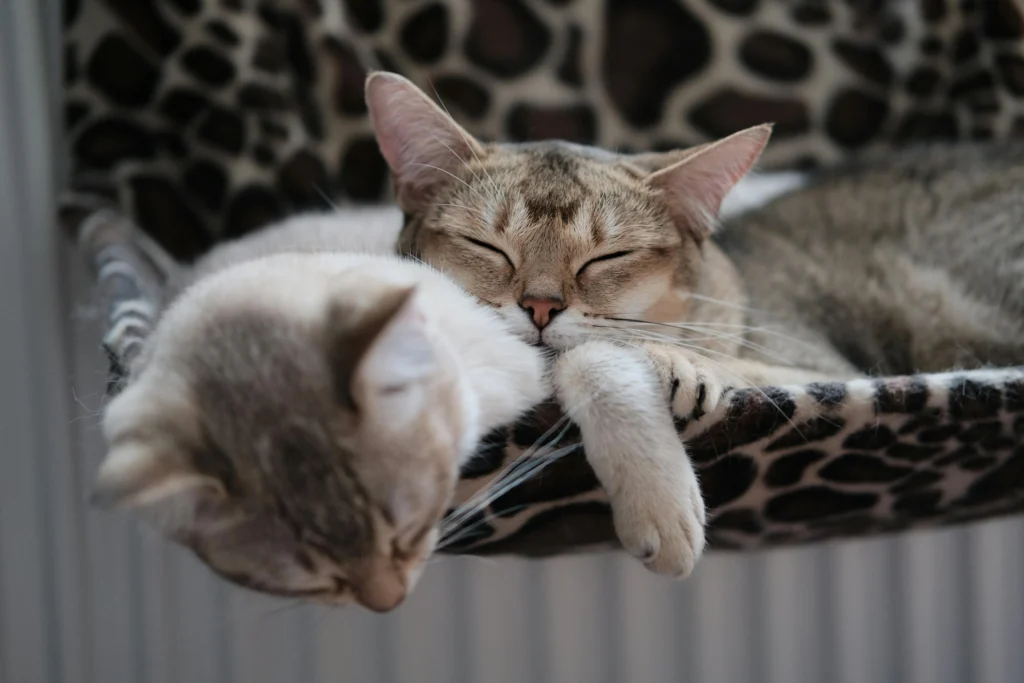
Indoor vs Outdoor Cats: Health Risks and Benefits
You’ve debated whether your cat should live strictly indoors, roam freely outside, or have supervised…

What Is Regenerative Medicine for Pets?
Your dog is getting older, struggling with arthritis, and traditional pain medications aren’t providing enough…