
Year-Round Flea Prevention in California: Why It Matters
It’s easy to think flea season ends when the weather cools, but in California, that’s…

Have you noticed your dog struggling to move, or your cat seeming uncomfortable, even with medication? The question—Is it time?—is never easy. At Calistoga Pet Clinic, we understand the weight of your decision. There’s rarely a single, clear moment to act. What matters most is your pet’s quality of life: honestly tracking good days and bad, then making the most loving choice possible, even when it hurts.
Recognizing when to let go may be the hardest choice a pet owner faces. The years of unconditional love and companionship lead to this responsibility—to weigh your pet’s quality of life, understand your options, and find the most compassionate path forward. Learning tools to assess these factors empower you to make a loving and informed decision.
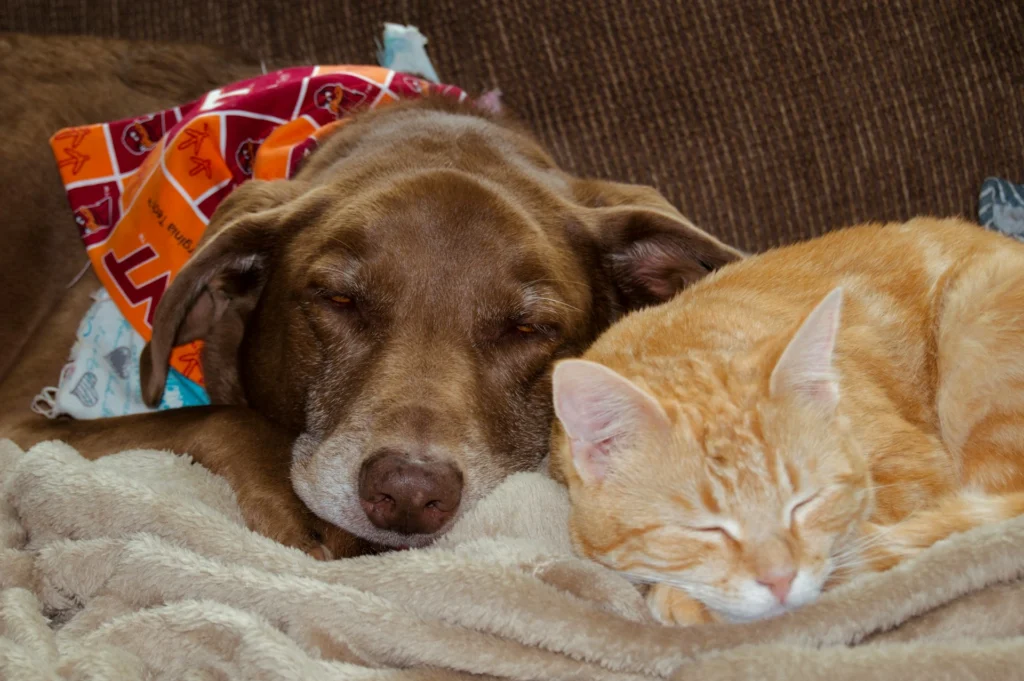
Before we get into the details, let’s take a moment to recognize the special bond you share with your pet. Fluffy or Fido isn’t “just a dog” or “just a cat”—they’re your companion, comfort, joy, and a true part of the family.
Think of all the memories you’ve made together—morning snuggles, happy greetings at the door, quiet moments, and little adventures. Your pet has loved you unconditionally, always forgiving, wanting only your love in return.
As you face this decision, remember your love for your pet will help you make the right choice. Sometimes, loving them means putting their comfort first, even when you wish you could keep them with you. This may be the most caring thing you’ll ever do for your furry friend.
Quality of life must guide your decision at this stage. Your pet’s comfort, happiness, and ability to enjoy life matter most. Be honest in your assessment—you know your pet best, and your insight is vital to choosing what’s right for them.
Try keeping a calendar to track your pet’s good days and bad days. Mark down how they’re feeling, if they’re eating, moving around, and spending time with the family. If you start to notice that the tough days are outnumbering the good ones, it may be a sign that your pet’s quality of life is slipping. This isn’t just a bunch of notes—it’s a loving way to keep track of your pet’s final chapter, and it can help you see things more clearly when your heart feels overwhelmed.
What counts as a “good” or “bad” day really depends on your pet’s personality. For a bouncy dog, a good day might mean a happy walk, a wagging tail, and a healthy appetite. For a senior kitty, it could be a cozy nap, purring when you pet her, and using the litter box without any trouble. Think about what’s normal for your furry friend, and use that as your guide.
Be honest with yourself—are you seeing real good days or simply days that are less bad? If your pet no longer finds joy, interacts with the family, or does what they love, their quality of life may be gone. The loss of their unique spark is often the clearest sign for you to make a decision.
Pain is often the most significant factor in your pet’s quality of life, but recognizing it can be difficult. Pets often hide pain, so look for subtle signs: reluctance to join family activities, decreased movement, avoiding stairs, changes in breathing, diminished appetite, or sleeping in unusual positions. Watching for these specifics can help you identify when your pet may be in pain, even if it’s not obvious.
You may notice pain in your pet’s facial expressions. Dogs might appear anxious or tense, losing their usual cheerful look. Cats can show pain by squinting, flattening their ears, or otherwise appearing less relaxed. Other signs, such as panting, trembling, or repeatedly changing positions to get comfortable, can also suggest pain.
If pain medicine stops working or you need higher doses with less relief, pay attention to signs such as continuous limping, vocalizing in pain, restlessness, or refusal to move. These can mean your pet’s pain can no longer be controlled. When the maximum safe doses don’t provide relief, your pet’s quality of life may be unacceptable. Accept that you have done all you can, and recognize that sometimes, loving them means choosing comfort when medicine is no longer enough.
Can your pet still eat, drink, and go to the bathroom on their own? These basic activities are important for your pet’s independence and dignity. If your pet can’t eat or drink even when food and water are offered, it’s a serious sign of decline. Incontinence alone isn’t always a reason for euthanasia, but if your pet can’t move away from soiled bedding or has lost their dignity, it can greatly affect their quality of life.
Being able to move is very important for your pet’s quality of life. Pets who can’t stand, walk, or move easily lose the chance to interact with their surroundings and with you. The dog who used to follow you everywhere may now stay in one spot all day. The cat who greeted you at the door may not reach their favorite window anymore. Some pets do well with slings or wheelcarts, but others find these tools stressful or unhelpful.
Think about your pet’s personality and what’s important to them. An independent cat who can’t groom or use the litter box may struggle more than a dog who’s always needed your help. A social dog who can’t be part of family life may be more affected than a more independent cat. Trust what you know about your pet’s happiness to see when those joys are no longer possible.
Some medical conditions have predictable courses that help guide end-of-life decisions. Understanding your pet’s illness helps set realistic expectations. Your vet is your partner, but you see your pet every day and know what they’re going through.
Hearing that your pet has cancer can feel overwhelming. Cancer affects quality of life in many different ways. Some cancers cause pain, while others do not. Some progress quickly, while others take months or years. The diagnosis alone doesn’t decide when to consider euthanasia; it’s how the cancer affects your pet’s daily comfort and abilities that matters most.
Talk with your vet or oncologist to understand your pet’s cancer, how it may progress, and what symptoms to look for. Some cancers respond to treatment, giving you more time together. Others may get worse even with care, and you’ll need to decide when treatment is no longer helping.
Signs that cancer has gone beyond an acceptable quality of life include pain that can’t be controlled, trouble breathing, severe weakness, not eating at all, or constant vomiting or diarrhea. If these symptoms can’t be managed with medicine or care, continuing treatment may only add to your pet’s suffering. Your pet has trusted you through their illness, and now they need you to see when it’s time to stop fighting.
Kidney, heart, and liver failure all eventually become too much to manage. These illnesses often get worse slowly, giving you time to adjust care and enjoy each day together. But there comes a point when the body can’t keep up, and quality of life drops quickly.
Kidney disease is common in cats, and many live for months or years with good care. You might give fluids at home and become skilled at helping your cat. But if your cat stops responding to treatment, stops eating, or becomes very weak, the disease has advanced. At that point, treatments may only delay the inevitable and could cause more distress.
Heart failure in dogs eventually leads to constant and distressing trouble with breathing. When medicine can’t control fluid buildup, and your dog struggles to breathe even while resting, the quality of life has dropped a lot. Seeing your dog struggle for air is heartbreaking, and sometimes the kindest thing you can do is to end that struggle.
Decline
Other declines, such as neurological problems or severe cognitive impairment, also impact quality of life in unique ways.
If your pet’s neurological decline means they are confused and upset more often than they are comfortable and engaged, it may be time to consider euthanasia. Your pet depends on you to notice when their world has become scary and confusing, even at home or in your arms. Frequent seizures despite medication or cluster seizures that occur multiple times in short periods severely impact quality of life. When seizures cannot be controlled adequately with medication, watching your pet experience these terrifying episodes becomes traumatic for everyone. The condition may have progressed beyond acceptable quality, and you may need to release your friend from this suffering.
Your veterinary team is your partner in end-of-life decisionsYour veterinary team is here to help you with end-of-life decisions. We understand the bond you have with your pet and are here to give medical advice, help assess pain and quality of life, and support you with compassion and without judgment. We offer quality-of-life consultations to assess your pet’s condition and discuss treatment options. These appointments provide dedicated time to discuss your concerns, thoroughly evaluate your pet, and outline what to expect as the disease progresses. Please don’t hesitate to schedule these consultations. We know how difficult these conversations are. Your vet can help you tell the difference between problems that might get better with treatment and those that have gone too far. Sometimes changing medicine or adding extra care can really help and give you more time together. Other times, your vet’s honest opinion may confirm what you already fear—your pet is suffering and won’t get better. Your heart: your pet is suffering and won’t improve.
Don’t be afraid to ask your vet, “If this were your pet, what would you do?” While they can’t decide for you, most vets will share their honest thoughts if you ask. Many of us have faced this with our own pets, and our experience can help guide you. We also understand the guilt you may feel, and we want you to know that choosing euthanasia when your pet is suffering is an act of deep love, not a failure.
You can find more information about our End Of Life Care here.
Hospice and Palliative Care
Veterinary hospice focuses on keeping terminally ill pets comfortable for their remaining time through aggressive pain management, symptom control, and quality of life support. This might include medications for pain, nausea, or anxiety, along with supportive care like fluid therapy, appetite stimulants, or assistance with mobility. Hospice honors the time you have left together while ensuring your companion remains comfortable.
Hospice isn’t right for every situation. It works well when you want to keep your pet comfortable at home for their remaining days or weeks, and when symptoms can be adequately controlled with medications and care. However, if your pet’s suffering cannot be managed despite maximum intervention, continuing hospice may prolong distress unnecessarily. Sometimes the most loving choice is letting go rather than holding on.
Palliative care focuses on comfort rather than cure. This approach accepts that the underlying disease won’t be cured, instead prioritizing making your pet as comfortable as possible for whatever time remains. Palliative care can bridge the time between diagnosis and euthanasia, helping your pet remain comfortable while you prepare emotionally for saying goodbye. This time allows you to create final memories, take special photos, and simply be present with your companion.
Even with quality-of-life assessments and veterinary guidance, the actual decision often feels impossibly difficult. There’s no perfect formula that tells you exactly when to euthanize your pet. You’re being asked to make an impossible choice, to actively end the life of a being you love deeply, and the weight of that responsibility is enormous.
Many owners fear making the decision too soon, ending their pet’s life when more good time remains. Others fear waiting too long, as it allows their beloved companion to suffer unnecessarily. Please know that most veterinarians suggest that erring on the side of slightly too soon is kinder than waiting until your pet has endured days or weeks of severe suffering.
One guideline many veterinarians share: better a week too early than a day too late. While this doesn’t make the decision any less painful, it reflects the reality that we can’t know the “perfect” moment, and choosing earlier rather than later spares your pet additional suffering. Your companion has given you years of unconditional love, never asking when you’d be available for walks or whether you were in the mood for cuddles. Now you can give them the gift of a peaceful, dignified end before suffering becomes overwhelming.
If you’re constantly watching your pet, anxiously monitoring every movement and symptom, fearful that they’re suffering, quality of life has likely declined enough to warrant serious consideration of euthanasia. When you’re worried about your pet’s comfort every moment, when you can’t sleep because you’re listening for signs of distress, when every interaction is colored by fear that this might be the last one, you’re probably seeing clear signs that it’s time. Your pet wouldn’t want you to suffer this way either.
While your pet’s well-being must be the primary consideration, it’s also okay to acknowledge that family circumstances matter. Financial limitations are real, and the inability to afford intensive care that might extend life isn’t a moral failing. You’ve already given your pet a lifetime of love and care. The emotional toll on family members, especially children, witnessing a beloved pet’s decline, is a valid consideration.
However, be careful not to prolong a pet’s suffering simply because you’re not ready to say goodbye. None of us will ever feel truly ready. Your pet depends on you to make decisions in their best interest, even when those decisions cause you tremendous pain. The decision must ultimately center on what’s kindest for your companion, not what’s easiest for family. This is the final, most difficult way you’ll care for your beloved friend.
Many pet owners struggle with guilt, feeling that choosing euthanasia somehow betrays their pet or gives up on them.
Euthanasia is not giving up. It’s the last act of love you can perform for your companion. You’re not abandoning them, you’re releasing them from suffering. You’re honoring the years of joy they gave you by ensuring their final moments are peaceful rather than painful.
Once you’ve decided that euthanasia is the right choice, you can often choose timing that allows the family to be present and say goodbye. This control over the when and where, while emotionally difficult, is actually a gift that allows you to create the most peaceful final experience possible for your beloved companion.
Many families prefer in-home euthanasia services, which allow your pet to remain in familiar surroundings during their final moments. Your pet can lie in their favorite spot, surrounded by family, without the stress of a final car ride and veterinary visit. For pets with anxiety about veterinary clinics, this option provides immense comfort.
In-home euthanasia allows you to grieve privately in your own space. There’s no need to compose yourself for the drive home or navigate the lobby in tears. Family members who might have difficulty with the hospital setting can say goodbye more comfortably at home. Many people find this option more peaceful for everyone involved.
Some families prefer the veterinary clinic setting, where medical equipment is readily available and veterinary staff can provide support. Clinics often have quiet rooms set aside specifically for euthanasia, designed to be comfortable and peaceful. Some people find it easier to leave the location afterward than to have their pet’s final moments occur in the home they’ll return to daily.
There’s no wrong choice between home and clinic. What matters is creating the most peaceful environment for your pet and the setting that feels most meaningful to you and your family.
Before the procedure, take time to say goodbye in whatever way feels right to you. Tell your pet everything you want them to know. Thank them for the years of companionship. Apologize if you feel you’ve failed them in any way (though you haven’t, you’ve given them a lifetime of love). Hold them, pet them, whisper to them. These final moments are sacred, and there’s no right or wrong way to experience them.
Some people want to be present for the entire procedure, holding their pet as they pass. Others prefer to say goodbye and then leave before the euthanasia is performed. Both choices are valid and loving. Your pet knows you love them regardless of whether you’re physically present at the very end. Choose what feels right for your own emotional needs and your ability to process grief.
Understanding what happens during euthanasia can ease anxiety about the procedure and help you know what to expect. The process is designed to be peaceful and painless for your pet.
Most veterinarians use a two-step process. First, your pet receives a sedative injection that makes them drowsy and relaxed. This sedation takes effect within minutes, and your pet will become sleepy and calm. You can hold and comfort them during this time. They’re not in pain; they’re simply drifting off peacefully.
Once your pet is deeply sedated, the veterinarian administers the euthanasia solution, typically an overdose of anesthesia medication given intravenously. This medication works very quickly, usually within seconds. Your pet simply stops breathing, and their heart stops beating. They don’t experience any pain, fear, or distress. They slip away peacefully while sedated.
The entire process is usually very quick and peaceful.
Grieving Your Beloved Companion
After your pet is gone, grief will likely hit you in waves. The depth of your grief reflects the depth of your love, and there’s no timeline for healing. Your pet was family, and their loss leaves a hole in your daily life and in your heart.
Some people may not understand the profound grief you feel over the loss of a pet. They might say, “It was just a dog,” or suggest you get another pet quickly. Please know that your grief is completely valid. You’ve lost a being who loved you unconditionally, who was part of your daily routine, who provided comfort and companionship. That loss is real and significant.
Allow yourself to grieve fully. Cry when you need to. Talk about your pet. Look at photos and remember the good times. Honor your feelings rather than trying to push them away. Grief is love that has nowhere to go, and feeling it deeply is natural and healthy.
Consider joining pet loss support groups, either online or in person. Connecting with others who understand the depth of pet loss can be incredibly comforting. Many veterinary clinics can recommend grief counselors who specialize in pet loss. There’s no shame in seeking professional support; losing a beloved pet is a significant life event.
Some people create memorial items, such as photo books, garden stones, or artwork featuring their pet. These tangible remembrances provide comfort and honor your companion’s memory. Others prefer to donate to animal rescues or charities in their pet’s name, turning grief into positive action.
Your pet may be gone, but the bond you shared continues. The love you gave each other, the joy you brought to each other’s lives, the memories you created together, all of that remains. Your companion shaped who you are, taught you about unconditional love, and enriched your life in countless ways.
When you’re ready, opening your heart to another pet doesn’t dishonor your departed friend. It honors them by recognizing the incredible gift of the human-animal bond and by choosing to experience it again. Your new companion won’t replace your beloved pet, but they’ll create new love and memories that enrich your life.
You may have heard the term Rainbow Bridge, National Geographic wrote about the original poem here. The ASPCA wrote about end-of-life care for pets in this piece.
If your pet still has more good days than bad, if they’re eating well, engaging with family, and showing interest in life, it’s probably not time yet. However, if you find yourself constantly worried about their suffering, if bad days outnumber good ones, or if they’ve lost interest in everything they once enjoyed, the timing is likely appropriate. Many veterinarians suggest that choosing slightly too early is kinder than waiting too long. Trust your deep knowledge of your pet and remember that this decision comes from love, not from giving up. You’re their advocate, and you know them better than anyone.
This is deeply personal, and there’s no right answer. Many people find comfort in being present, holding their pet, and providing reassurance during their final moments. Others find the experience too traumatic and prefer to say goodbye beforehand. Your pet knows you love them regardless of whether you’re physically present at the very end. What matters most is that you make the choice that feels right for your emotional well-being. Some people regret not staying, while others are glad they didn’t. Honor your own needs and don’t let anyone make you feel guilty about your choice.
Be honest with children about what’s happening, using age-appropriate language. Don’t say the pet “went to sleep” as this can create anxiety about sleep. Explain that the pet was very sick or in pain and that euthanasia will help them feel peaceful. Allow children to say goodbye if they wish, but don’t force them to participate if they’re uncomfortable. Validate their feelings and create opportunities to remember the pet together through stories, photos, or memorial activities. Children often grieve differently from adults, and their grief may come in waves over time. Maintain routines to provide stability during this difficult time.
Making end-of-life decisions for your beloved pet is one of the hardest things you’ll ever do. Please know that you’re not alone in this journey. The bond you’ve shared with your companion is sacred, and honoring that bond by choosing peace over prolonged suffering is the greatest act of love you can offer. Your pet has trusted you throughout their life, and now they’re trusting you to make this final decision with their best interests at heart.
If you’re searching for a vet near me in Napa County for compassionate end-of-life care, Calistoga Pet Clinic is here to support you with kindness and understanding without judgment.
We understand the profound grief you’re experiencing, and we’re honored to help you navigate this difficult time. Contact us today, whether you have questions, need support, or are ready to schedule a final appointment. You and your beloved companion deserve compassionate, dignified care during this sacred time.
This blog is intended solely for informational purposes. Always consult with your veterinarian for proper medical advice, diagnosis, or treatment plan for your pet and follow their guidance.
If you want to find out more about our Napa County, CA pet clinic, visit our Service page here for an overview of our services. If you are a new customer bringing your pet in for wellness care, fill out a triage form here.
Year-Round Flea Prevention in California: Why It Matters
It’s easy to think flea season ends when the weather cools, but in California, that’s…

Gerbil Health Problems: Signs Your Pet Needs a Vet
If your gerbil is acting differently—such as eating less or moving more slowly—you may wonder…

Dog Anxiety During Fireworks: Proven Calming Methods
As the Fourth of July is approaching or New Year’s Eve is just around the…

When Is It Time? End of Life Care for Beloved Pets
Have you noticed your dog struggling to move, or your cat seeming uncomfortable, even with…

Indoor vs Outdoor Cats: Health Risks and Benefits
You’ve debated whether your cat should live strictly indoors, roam freely outside, or have supervised…
What Is Regenerative Medicine for Pets?
Your dog is getting older, struggling with arthritis, and traditional pain medications aren’t providing enough…